Company
Post
Industry
Social platform
Product type
Social · 0→1
My role
Founding Product Designer
Duration
16 Months
Building a Structured Social Platform from 0→1
Defining product architecture, monetization systems, and user interaction models for a new social platform.
01 - My Role
Product Design Lead • Direct collaboration with the founder
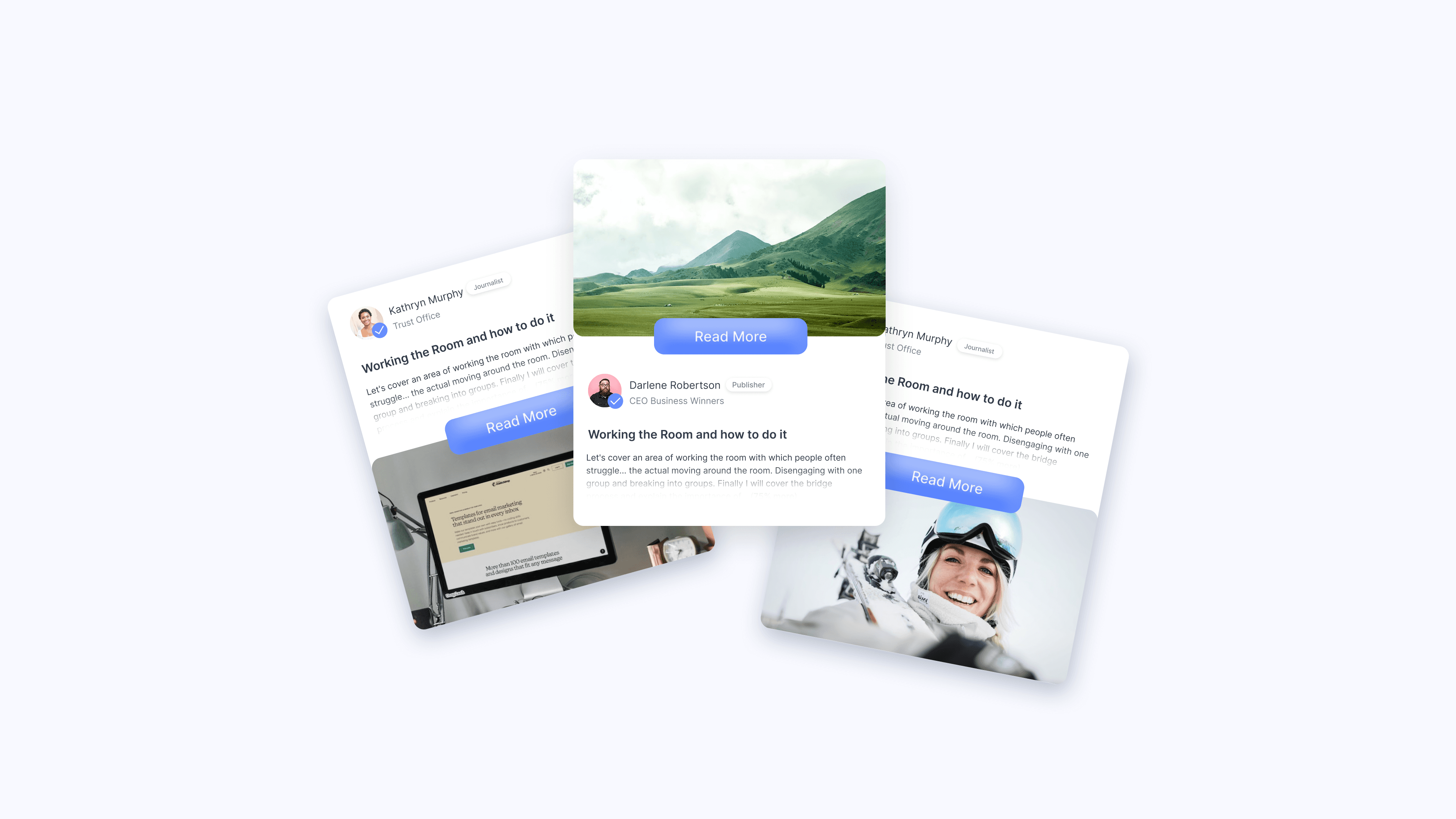
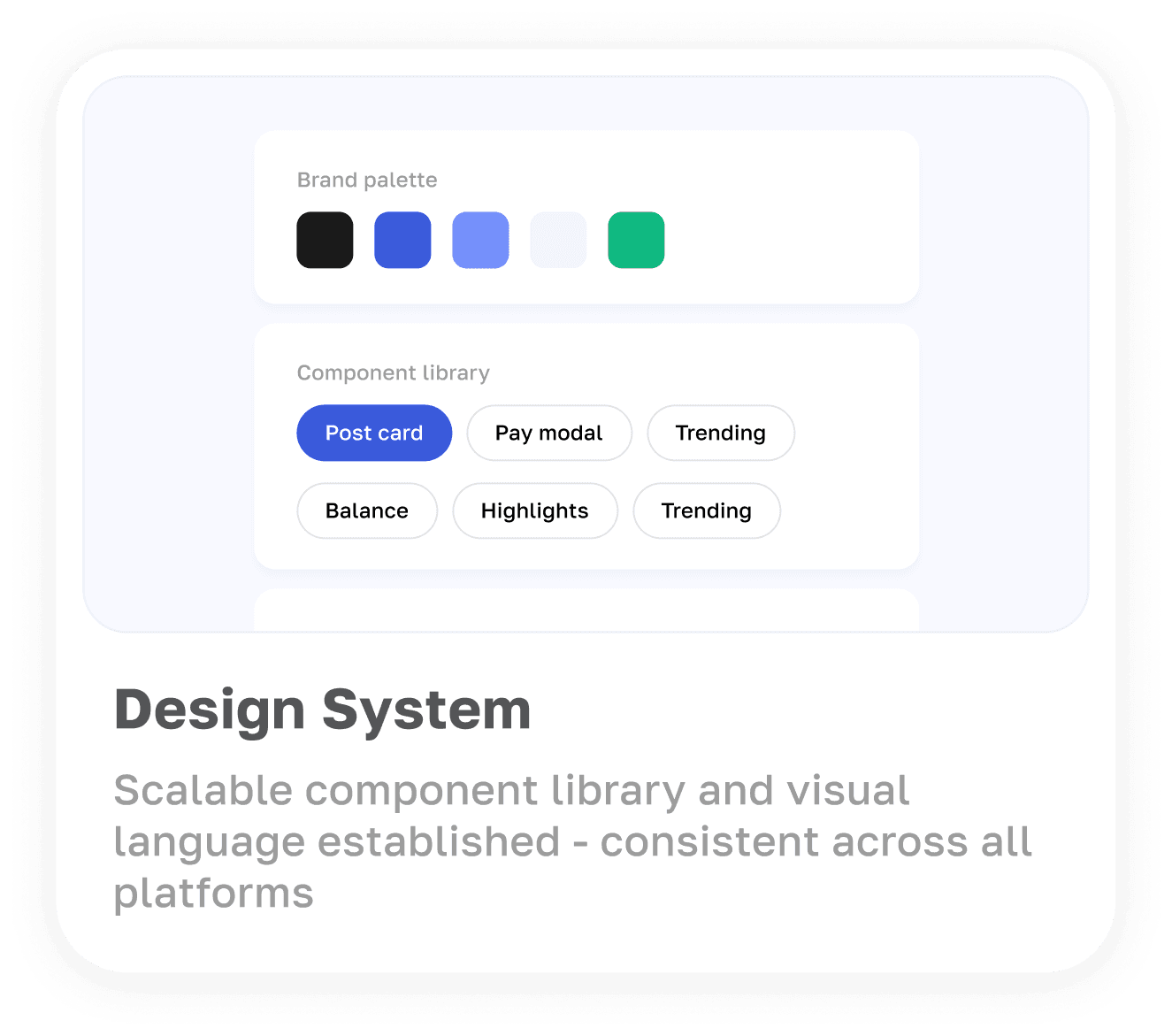
I wasn't executing a brief - I was helping define one. Working directly with the founder across 1+ year, I contributed to both product strategy and design: what the platform should be, how it should work, and what building it in a particular order would cost us later. My responsibilities included: • defining the core product structure and navigation • designing the content publishing and consumption flows • developing monetization interaction models • establishing the design system for the platform • translating product strategy into scalable product experiences This role required continuous iteration between product thinking, UX design, and system-level decision making.
02 - Overview
Context
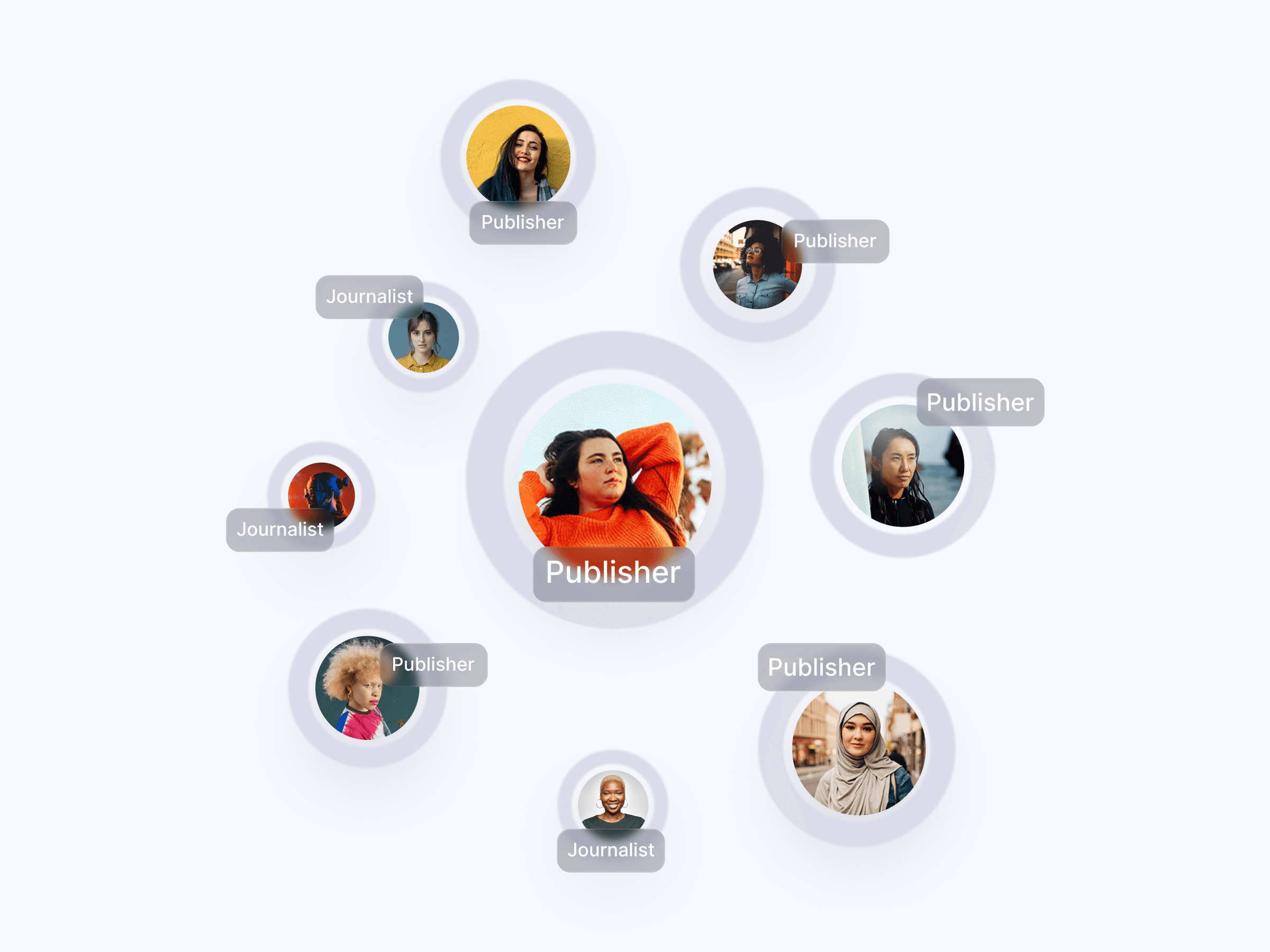
Post was conceived as a social platform designed to support meaningful content sharing while enabling sustainable monetization for creators. Unlike traditional social networks focused primarily on engagement metrics, the platform aimed to build a system where creators could share content, grow communities, and generate revenue within the product ecosystem. The project started from an early concept stage, requiring the definition of product structure, interaction models, and monetization mechanisms that could support a scalable social experience.
03 - Core Problem
Balancing user experience with sustainable creator monetization.
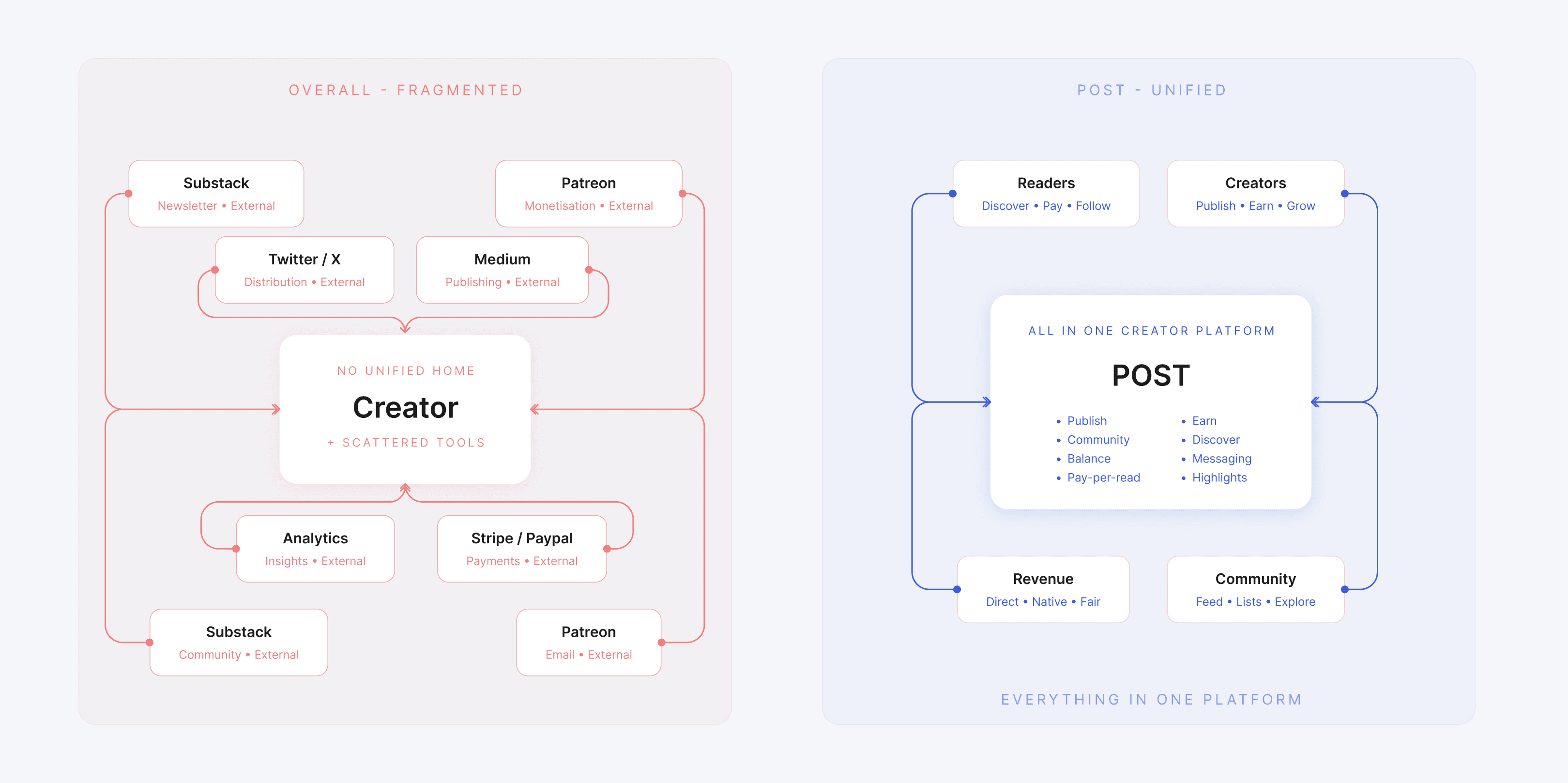
Most social platforms prioritize engagement and advertising revenue, leaving creators dependent on external monetization channels. The challenge for Post was to design a product ecosystem where: • creators could publish and grow audiences • users could discover and interact with valuable content • monetization mechanisms were integrated directly into the platform The system needed to support a healthy balance between content discovery, community interaction, and creator sustainability.
04 - Exploration
Designing the foundation of a social ecosystem
The exploration phase focused on defining how users interact with content, creators, and the platform itself. Several key questions guided the design process: • how users discover relevant content • how creators publish and manage their posts • how community interactions shape content visibility • how monetization integrates without disrupting user experience Exploration involved mapping content flows, interaction patterns, and the relationships between users, creators, and monetization features.
05 - Solution
A structured social ecosystem
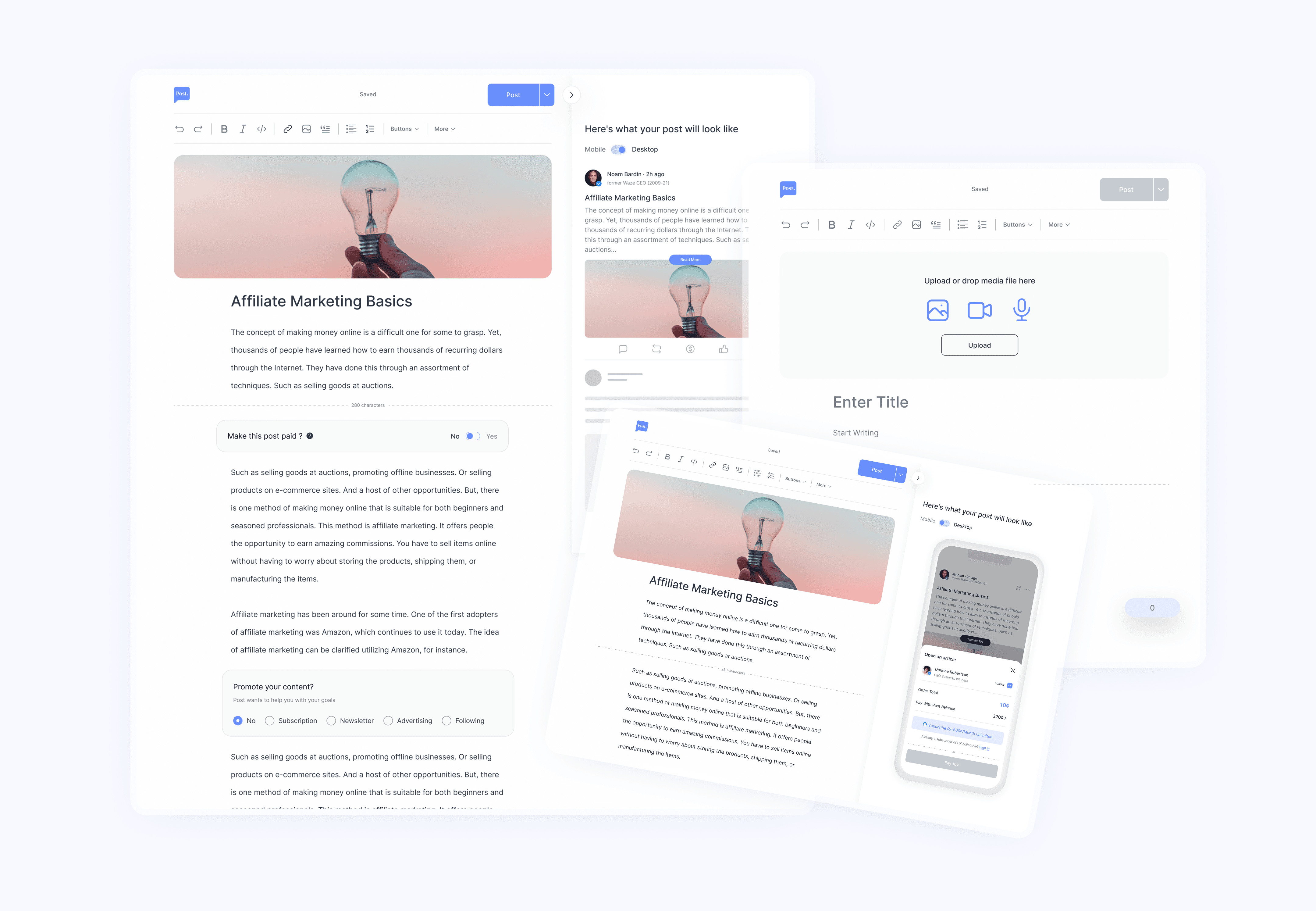
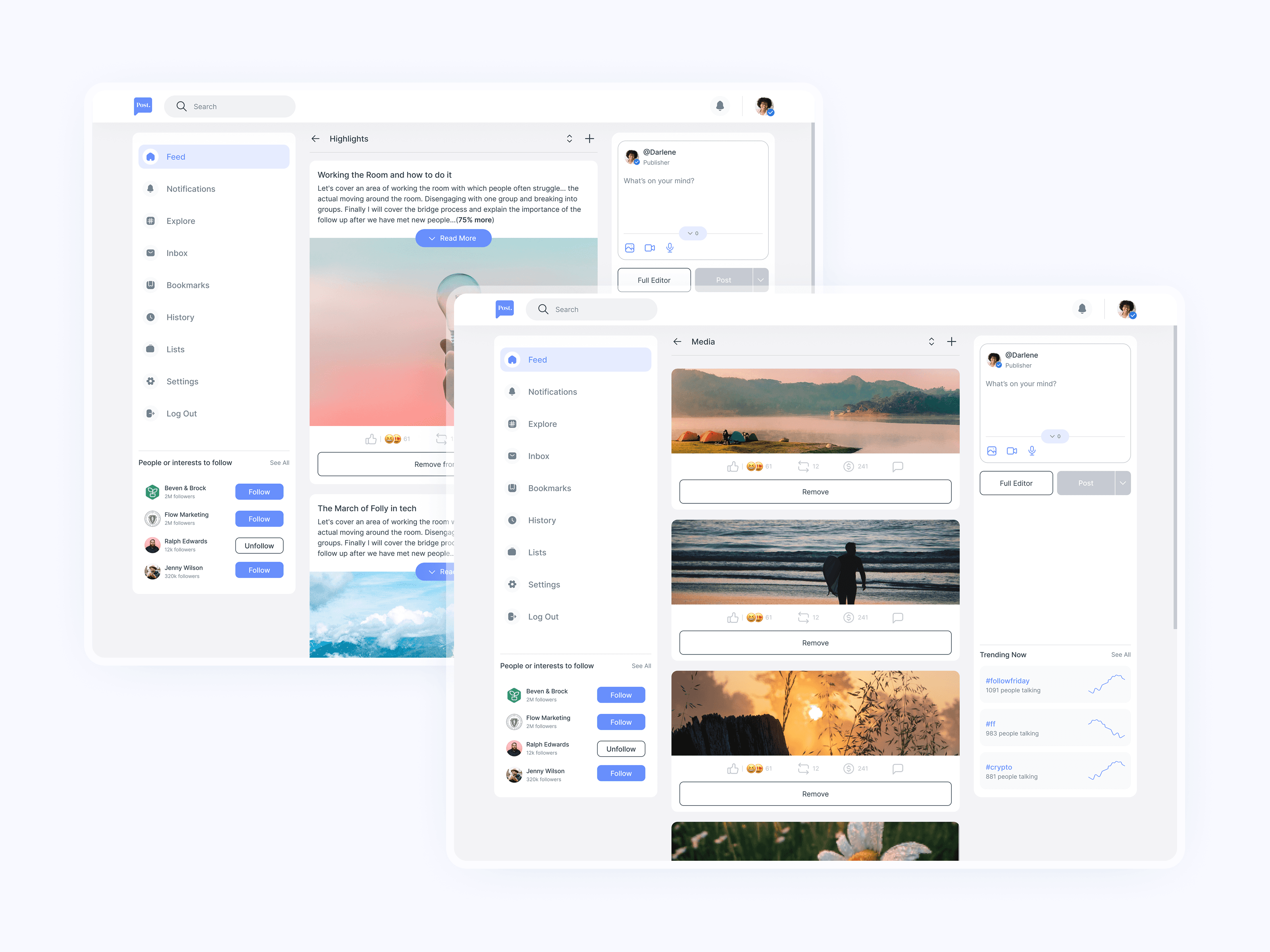
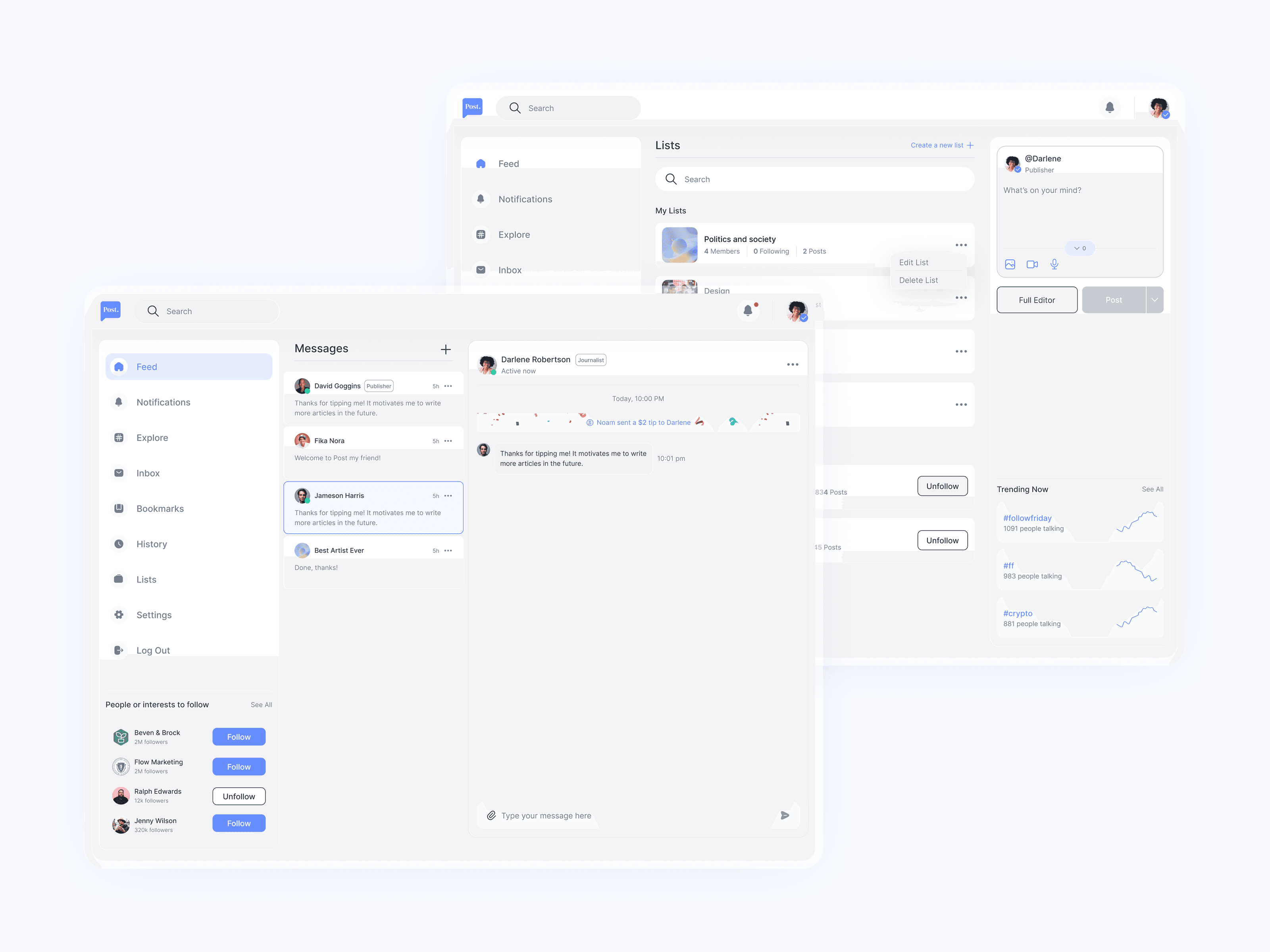
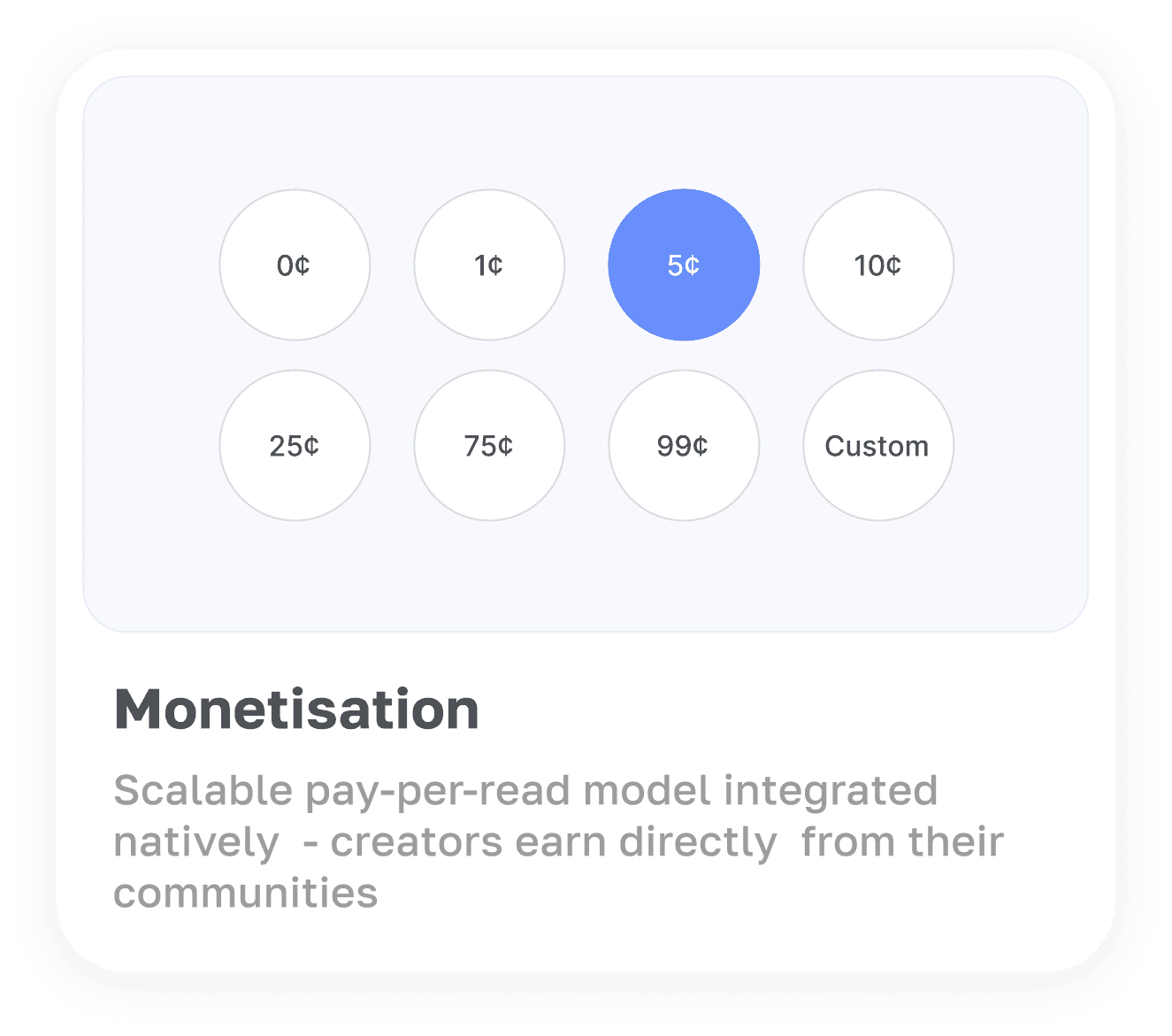
The final product structure introduced a clear model for content creation, discovery, and monetization. Creators can publish posts and build audiences while users explore and interact with content through structured feeds and discovery mechanisms. Monetization features are integrated into the platform, allowing creators to generate revenue directly from their communities. The design system ensured consistency across the platform while enabling scalability as new features were introduced.
06 - Impact
Product system definition
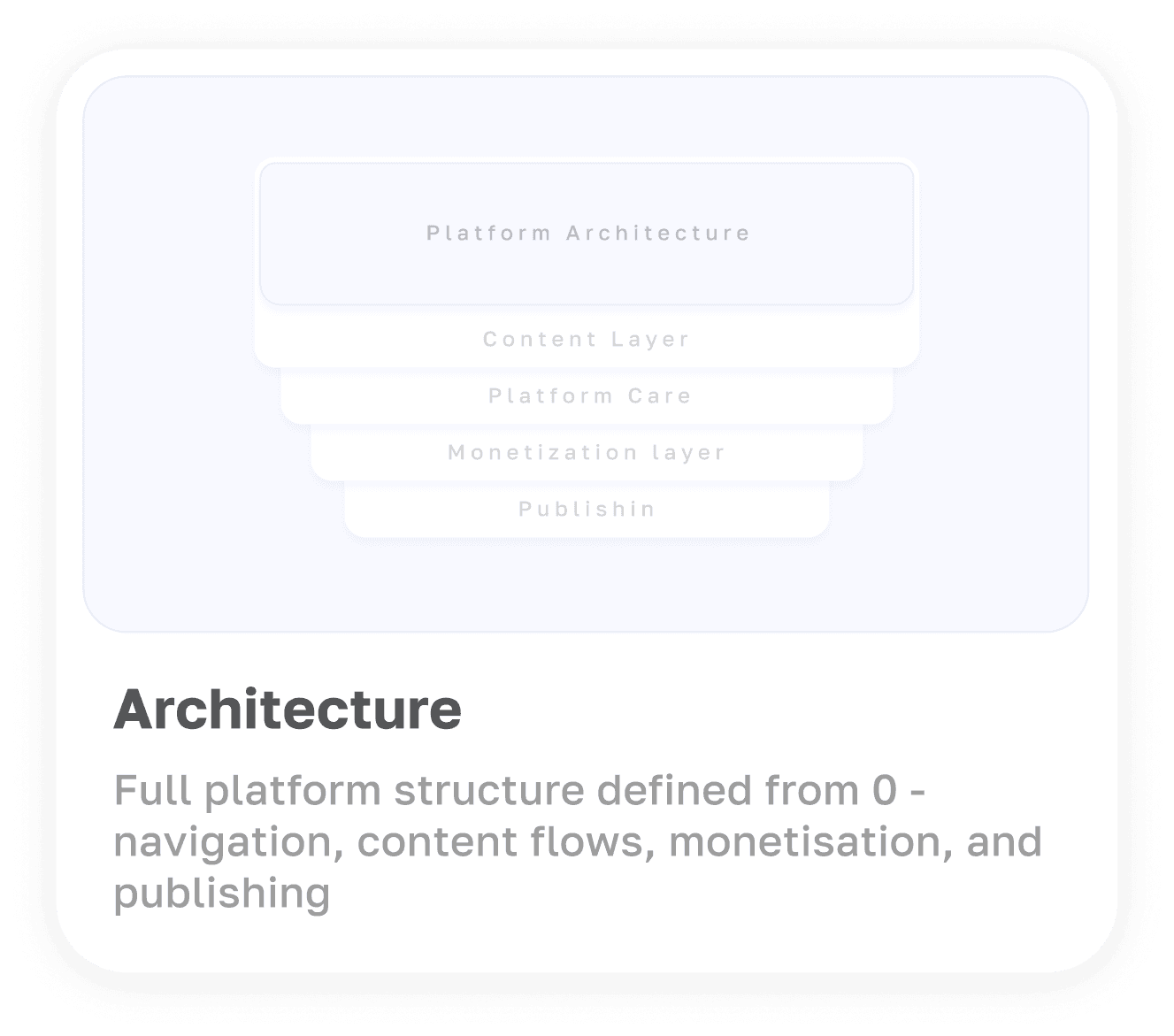
The work established the structural foundation for the platform and enabled the development team to move forward with a clear product direction. Key outcomes included: • defining the product architecture of the platform • establishing content publishing and discovery flows • integrating monetization into the core product experience • building a scalable design system for future development
07 - Reflection