Company
Capsulize
Industry
Fashion
Product type
Fashion Industry
My role
Product Designer
Duration
6 months
AI-powered wardrobe planning for modern life
Designing the product logic, AI workflows, and experience for a digital wardrobe platform - then proving market fit before the app shipped.
My Role
Founder & Product Designer
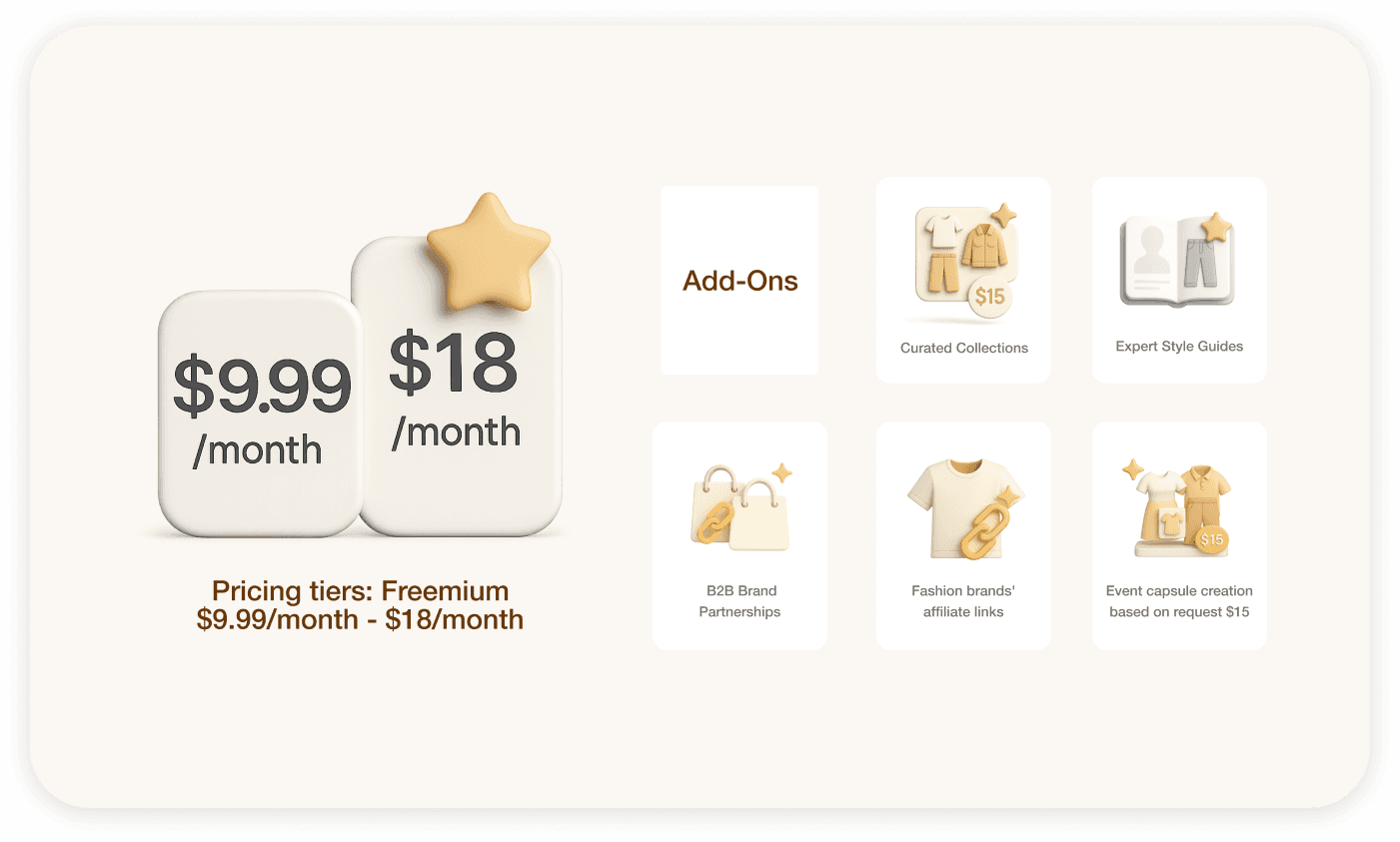
Capsulize is a product I co-created and designed from the ground up. My responsibilities included: • defining the core product concept • designing the wardrobe data model • creating AI-assisted outfit generation flows • designing the mobile app experience • shaping the product's monetization strategy Because the product started as a founder-driven initiative, my role combined product strategy, UX architecture, and interface design.
Overview
Context
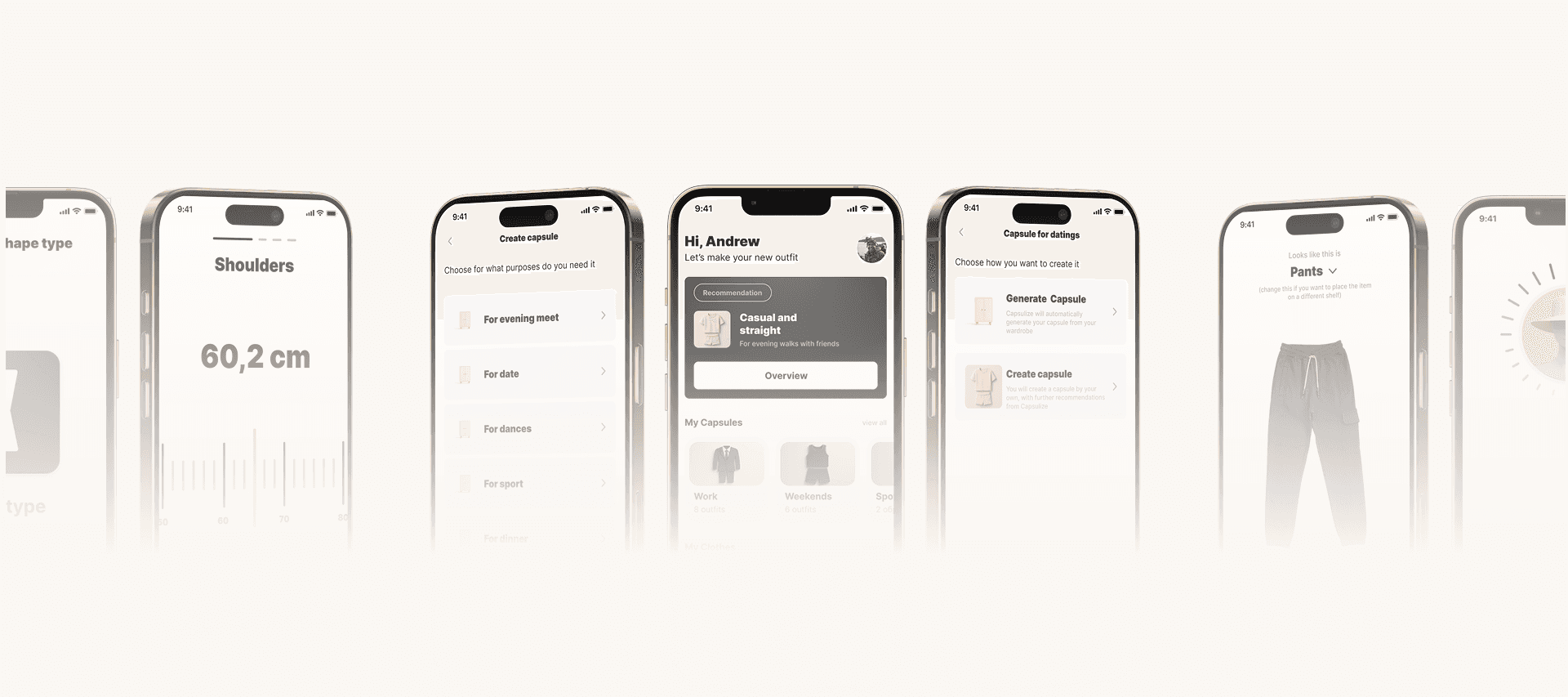
Capsulize is a personal wardrobe assistant that helps users organize their clothing, generate outfits, and develop their personal style. Capsulize transforms a user's wardrobe into a structured system that helps them make better daily decisions about clothing while reducing unnecessary purchases. The product combines wardrobe organization, outfit generation, and style guidance into a single mobile experience.

Core Problem
People own many clothes - but lack visibility and structure.
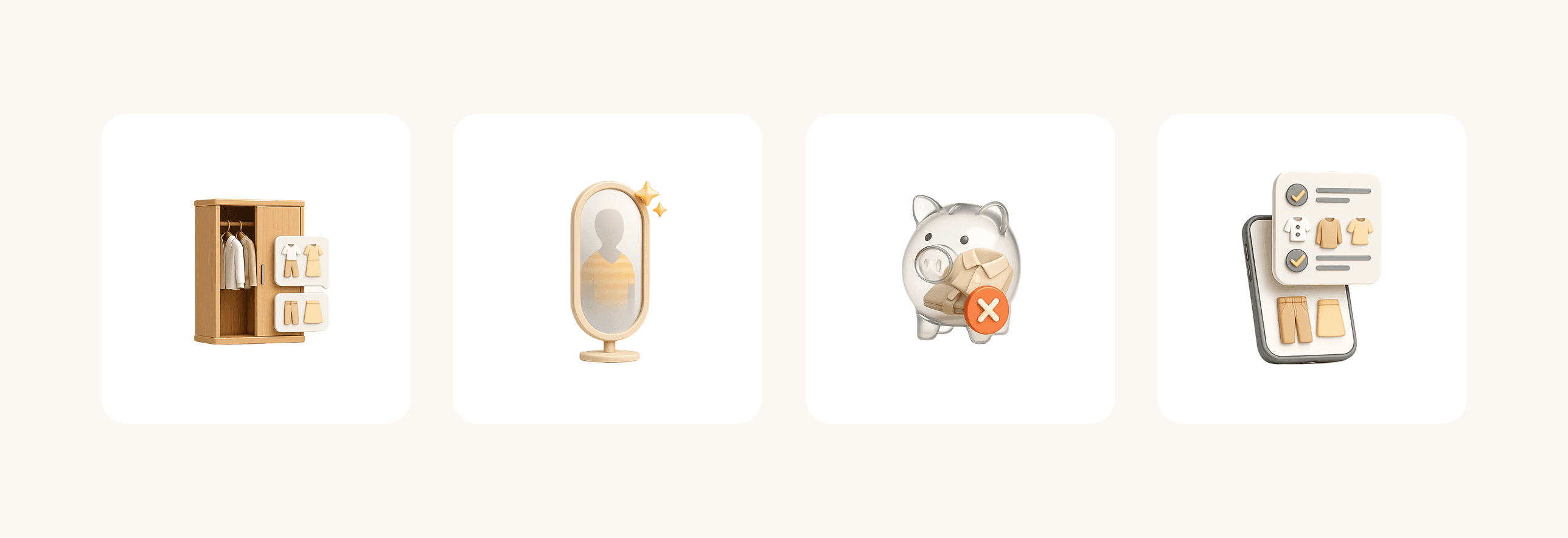
Traditional closet apps focus on manual cataloguing. Shopping platforms push more consumption. Neither helps users actually use what they already own. That was the gap. Most people spend significant time and money on clothing but still struggle with daily outfit decisions. The core problems include: • poor visibility of what users already own • decision fatigue when choosing outfits • wardrobe items that are rarely used • fragmented tools for wardrobe management
Exploration
Turning a wardrobe into a structured system
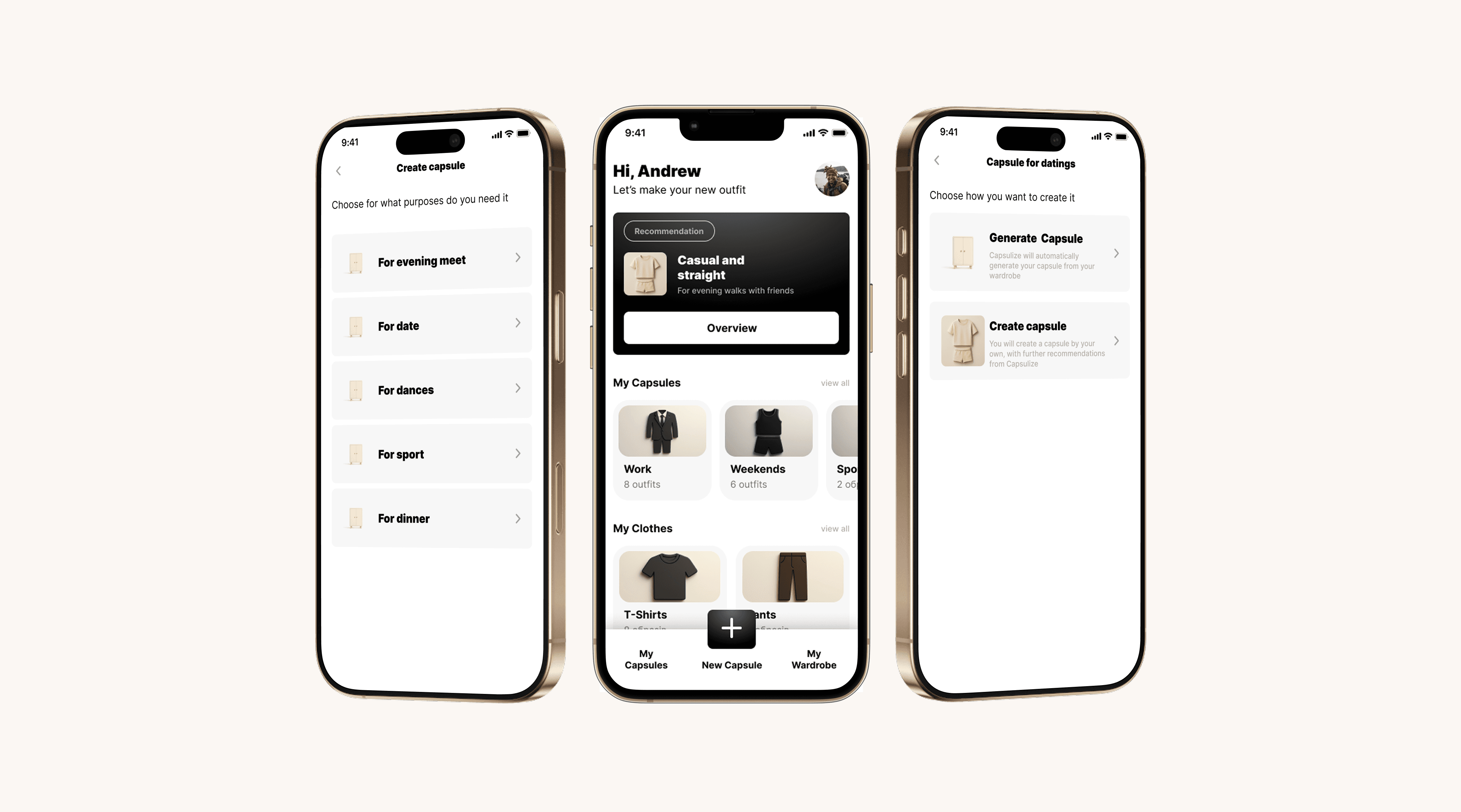
The key challenge was defining how clothing items should be represented and organized digitally. Exploration focused on several questions: • how users digitize their wardrobe quickly • how outfits can be generated from existing items • how the system learns a user's style preferences • how AI recommendations should be presented The product introduced the concept of capsules — curated outfit combinations built from items already owned by the user. This was the core insight: the right unit of organisation isn't a clothing item — it's an outfit. Capsules made that concrete. Instead of cataloguing clothes, users build a library of looks. That shift changed everything about how the product was designed.
Solution
A pocket-sized personal stylist
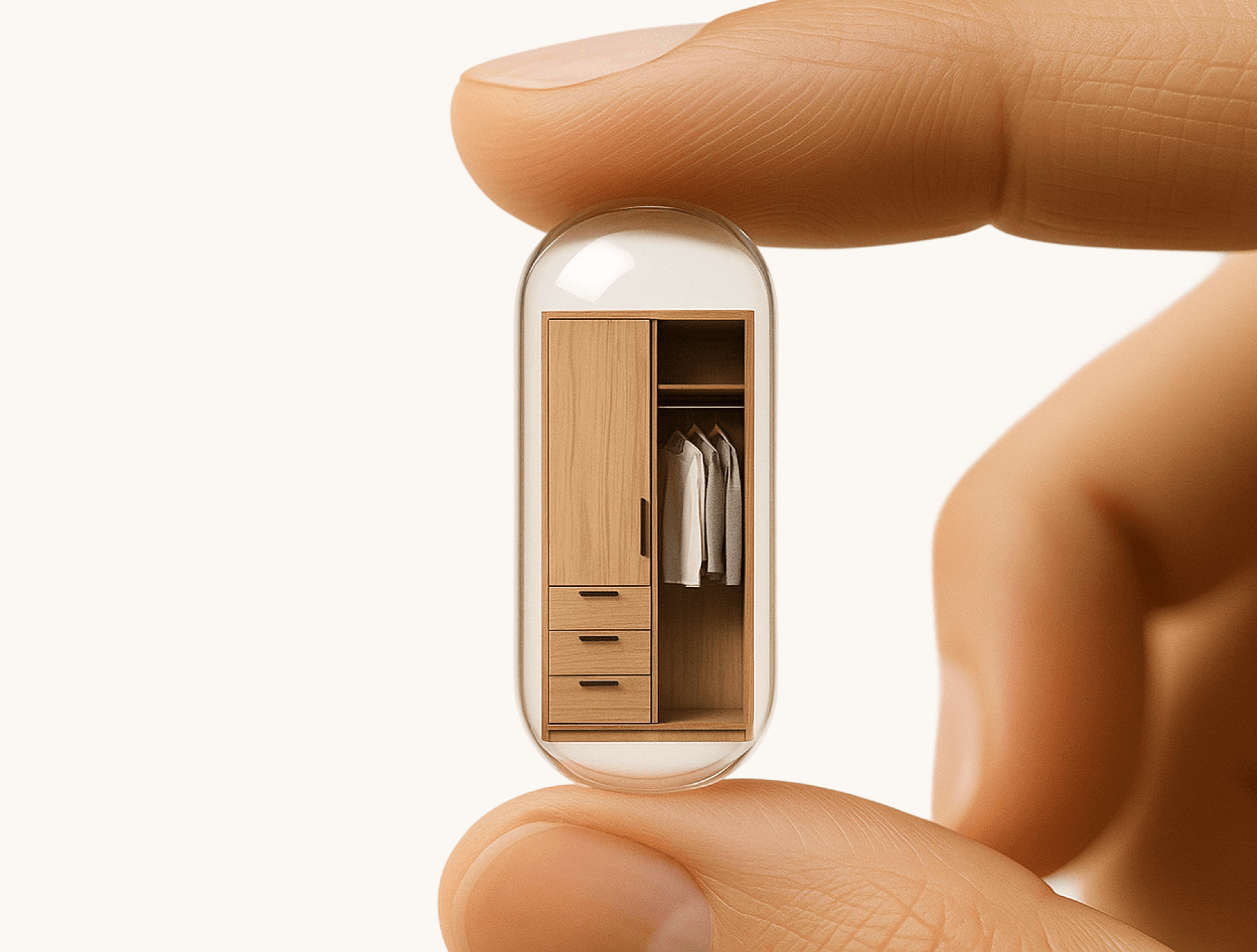
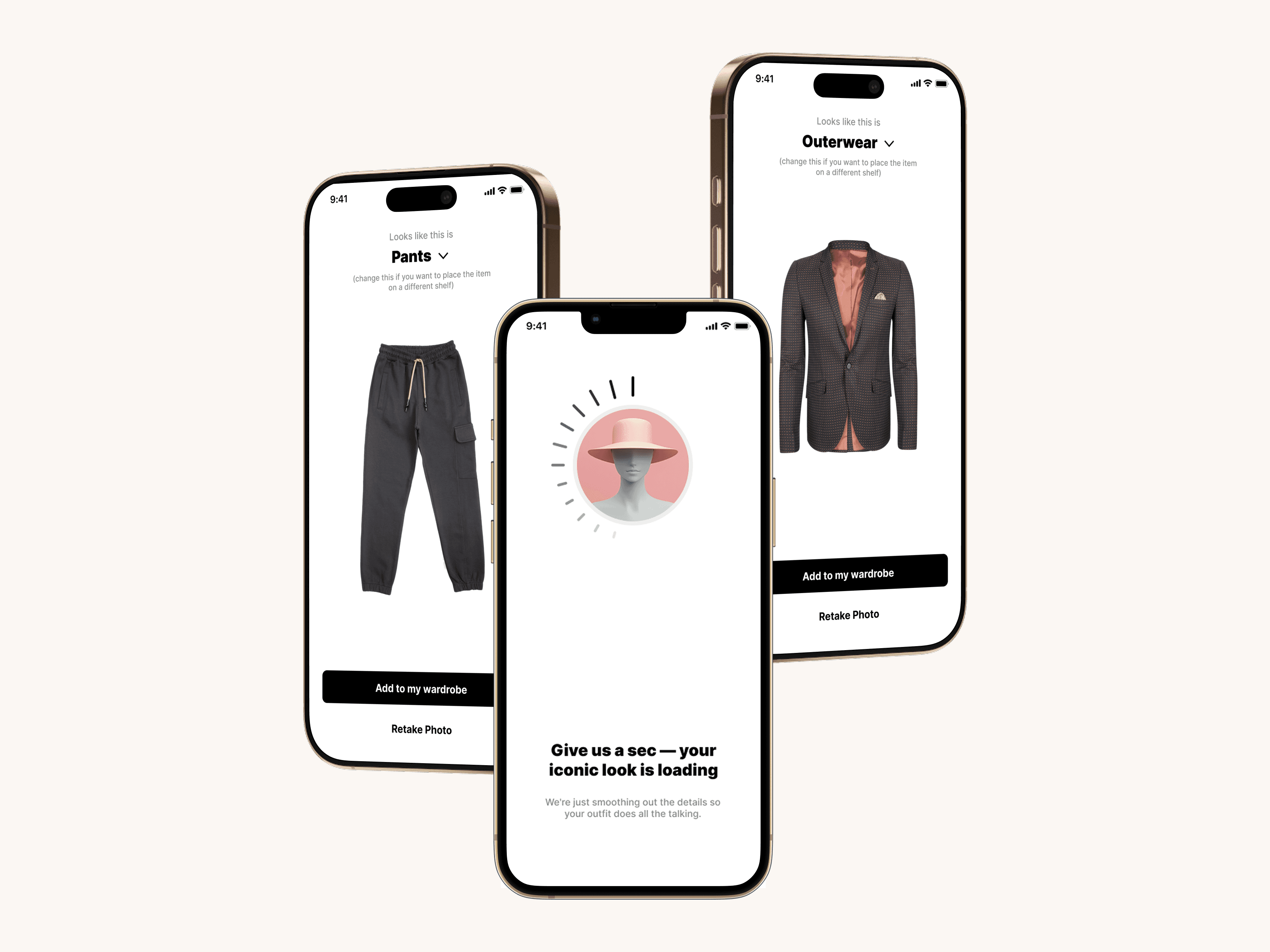
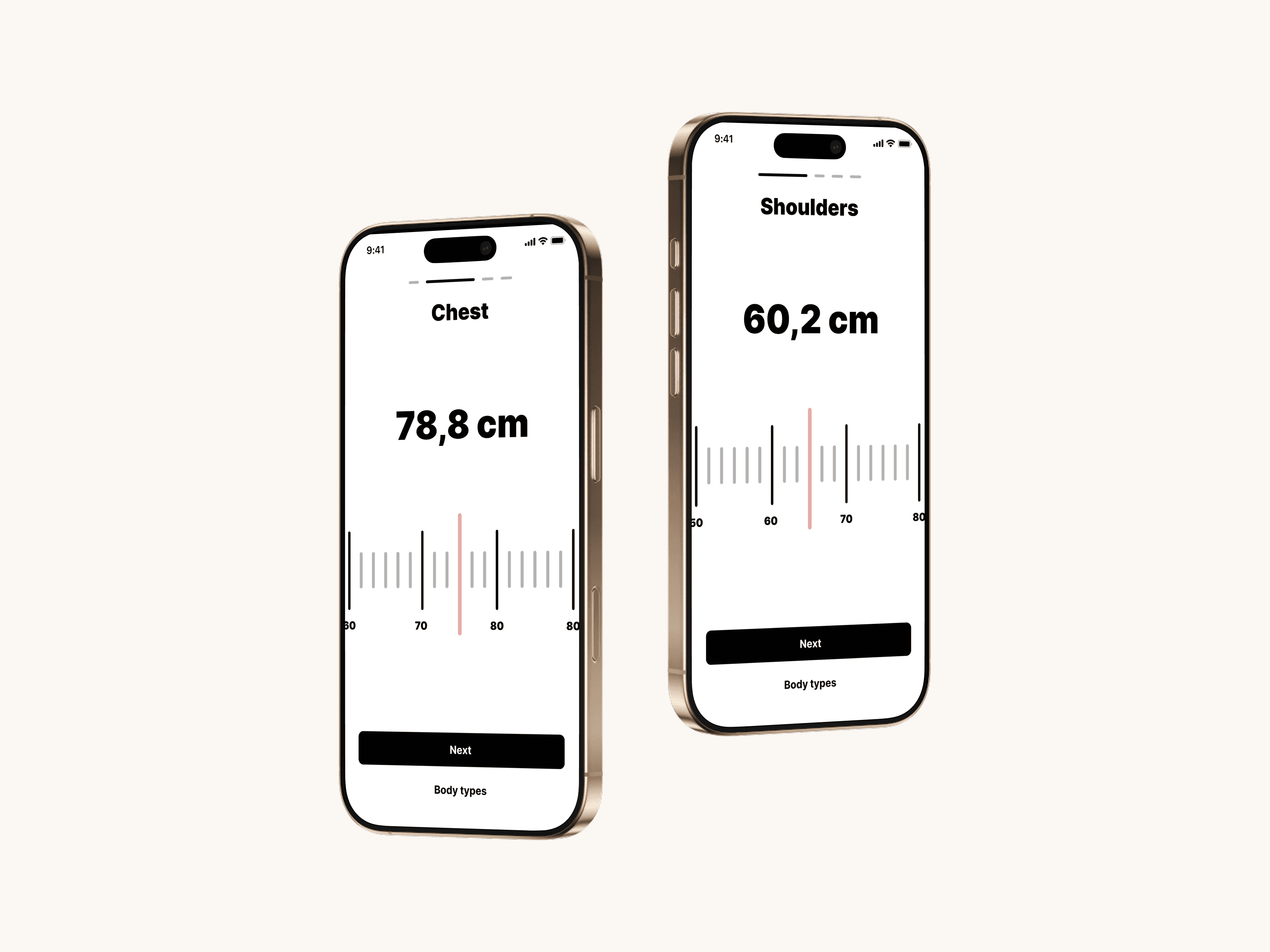
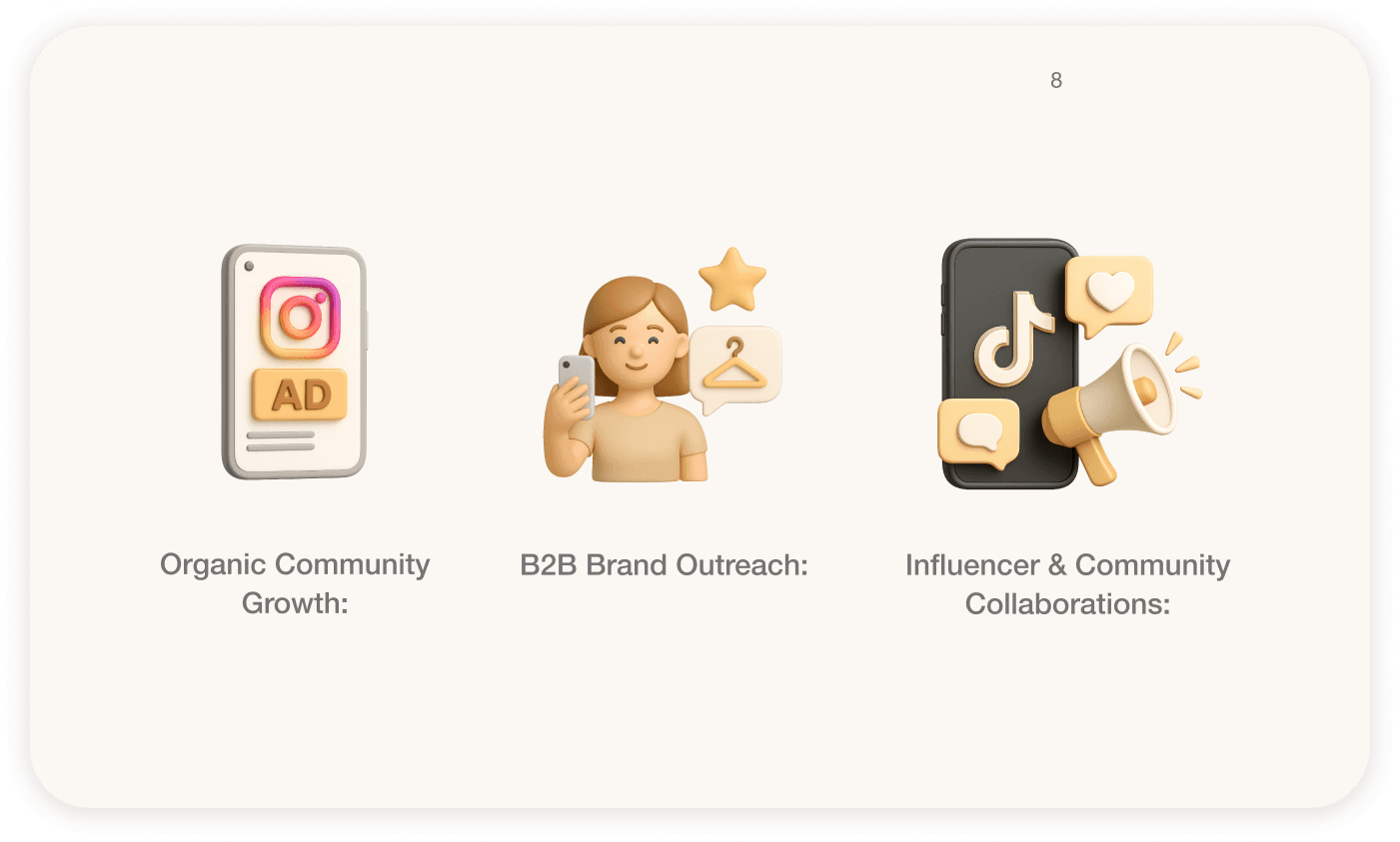
The solution was built around one central concept: the capsule. A curated outfit combination generated from what the user already owns - not from a shopping catalogue. Key elements of the solution include: Capsule wardrobe creation Users generate outfit sets for specific occasions, seasons, or moods - built entirely from their existing wardrobe. AI outfit generation The system learns style preferences over time and suggests combinations the user wouldn't have thought of themselves. Wardrobe organisation A structured digital inventory that makes what you own visible, searchable, and usable. Community and brand ecosystem Affiliate partnerships with 26 emerging fashion brands - surfaced contextually, not pushed as advertising.
Impact
$18K MRR before the app shipped.
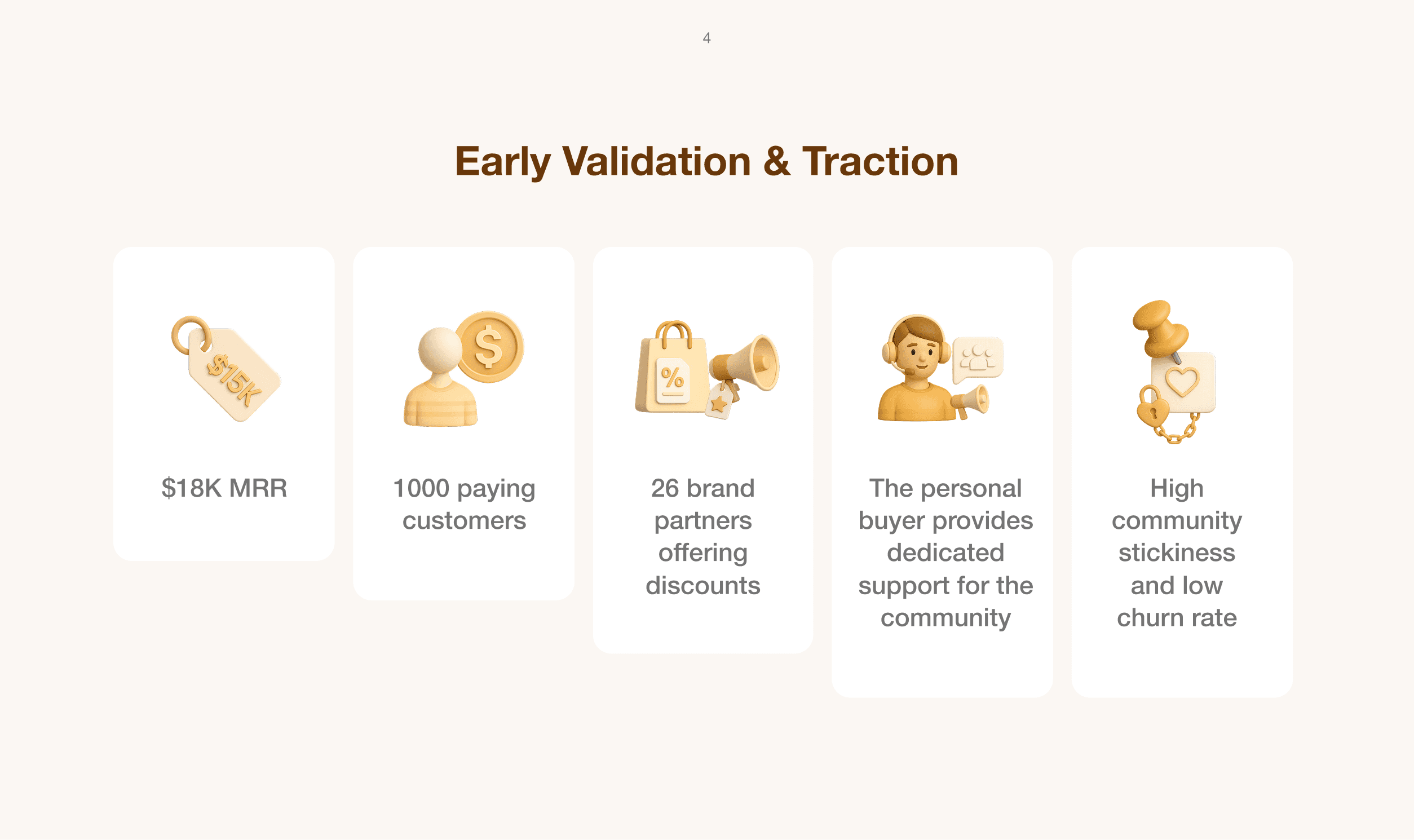
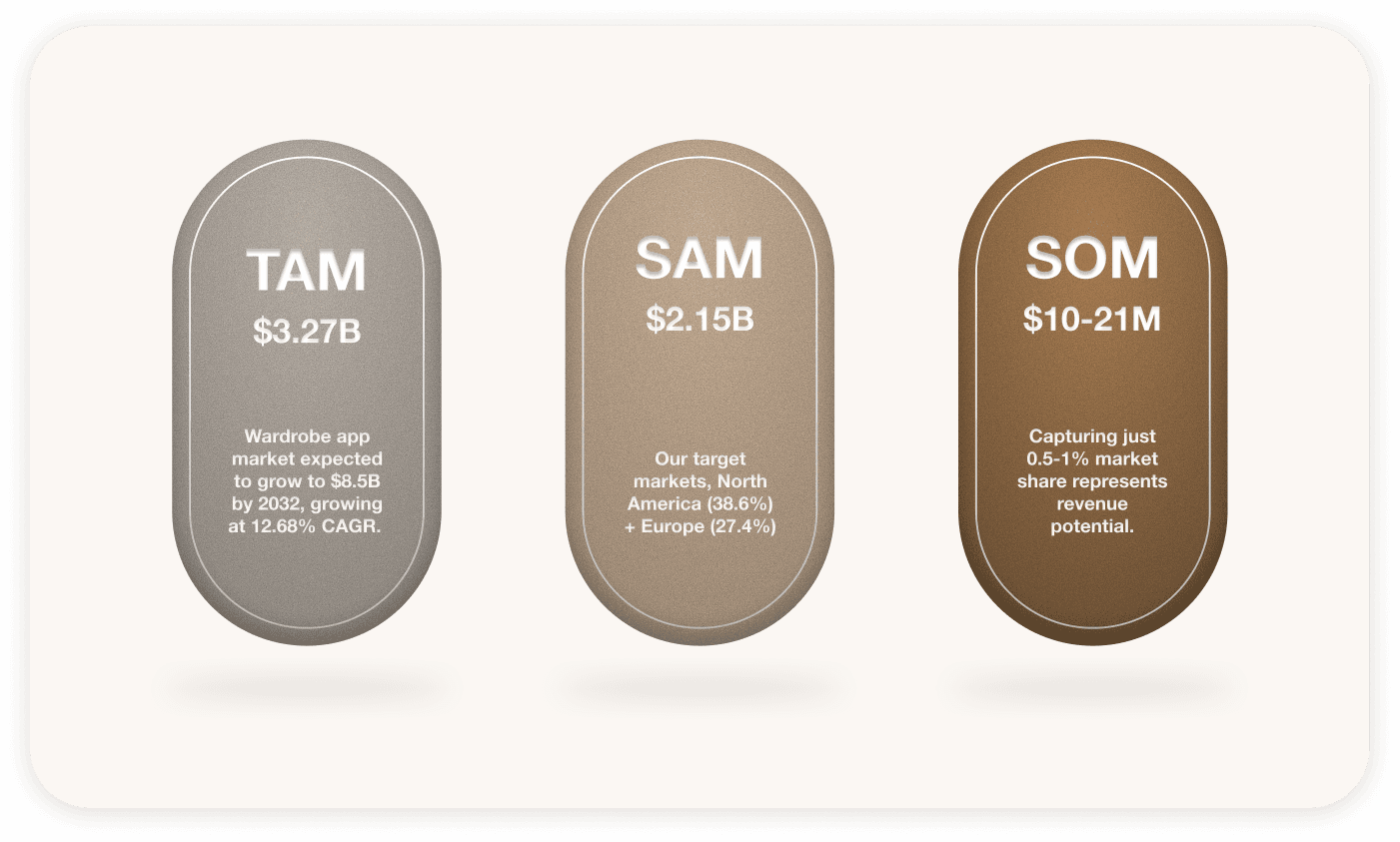
The concept was validated through a community-first approach before a single line of app code was written. The results made the decision to build straightforward. Key results included: • 1000 paying users in the initial community • strong user engagement and low churn • $18K monthly recurring revenue • partnerships with 26 fashion brands These weren't app metrics. This was market signal - people willing to pay for a product that didn't fully exist yet. That validated both the problem and the willingness to pay, which shaped every subsequent product decision.
Reflection
The most valuable thing about building Capsulize wasn't the design work - it was the order. Validating before building meant every design decision was grounded in something real. Users had already voted with their money before I designed the first screen. That changes how you design. You're not guessing what people want. You already know.